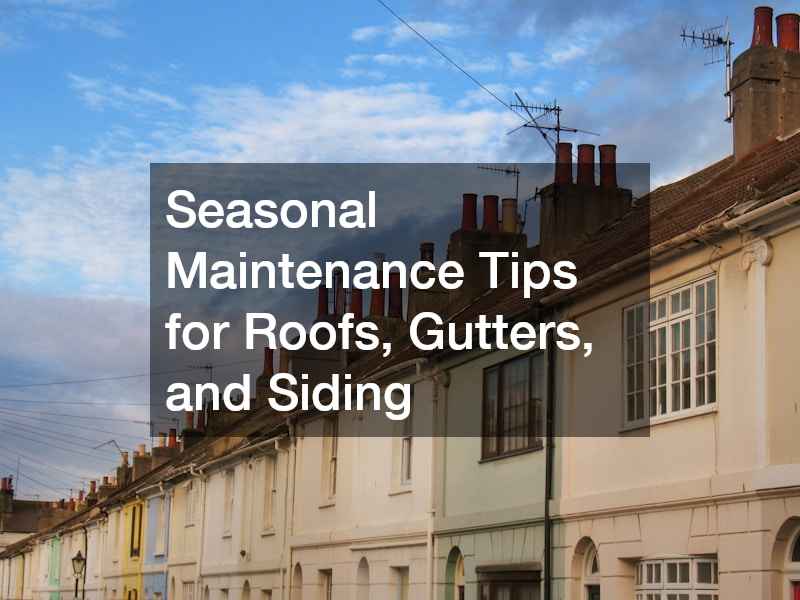
Protect Your Home Year-Round With Smart Exterior Maintenance
Your home’s exterior is constantly exposed to changing weather conditions, shifting temperatures, and environmental wear. Over time, even the most well-built homes begin to show signs of stress—from small cracks in siding to worn shingles and clogged gutters. Without consistent care, these minor issues can quickly escalate into expensive repairs that impact both your home’s safety and its value.
Seasonal maintenance is one of the most effective ways to prevent these problems. By taking a proactive approach throughout the year, homeowners can identify early warning signs, extend the lifespan of key exterior components, and avoid unexpected costs. Instead of reacting to damage after it occurs, a seasonal strategy allows you to stay ahead of potential issues.
This guide provides a detailed, practical breakdown of what to look for and what actions to take during each season. Whether you prefer to handle some tasks yourself or rely on professionals, these tips will help you build a reliable system for protecting your roof, gutters, and siding year-round.
Inspect Your Roof at the Start of Every Season
Your roof is one of the most critical components of your home, yet it’s also one of the easiest to overlook. Because it’s not always visible up close, many homeowners don’t notice issues until they’ve already caused damage inside the home.
Seasonal inspections are essential for catching problems early. At the beginning of each season—especially after winter and major storms—take time to evaluate your roof’s condition. Look for missing or damaged shingles, sagging areas, and debris buildup. Pay close attention to flashing around chimneys, vents, and skylights, as these are common points of failure.
If you’re inspecting from the ground, binoculars can help you spot irregularities safely. However, some issues are not visible without a closer look. Professional roof inspections provide a more detailed assessment, including checking for underlying moisture, ventilation problems, and structural concerns.
Routine roof inspections allow you to identify wear before it becomes a serious issue. Even something as small as a loose shingle can lead to water intrusion if left unaddressed. By building inspections into your seasonal routine, you create a strong first line of defense against costly repairs.
Address Minor Damage Before It Becomes Expensive
One of the most common and costly mistakes homeowners make is ignoring small roofing problems. What may seem like a minor issue—such as a cracked shingle or a small leak—can quickly escalate into widespread damage if left untreated. Many homeowners assume that a small issue can wait, especially if it doesn’t immediately interfere with daily life. However, roofing systems are interconnected, and even a minor failure can weaken surrounding materials over time.
Water is especially dangerous because it can seep into layers beneath the roof’s surface. Over time, this can lead to mold growth, wood rot, and insulation damage. Moisture can also compromise the structural decking of the roof, making it less stable and more vulnerable to further damage. By the time the problem becomes visible inside your home, repairs are often more complex and expensive, often requiring not just surface fixes but deeper structural work.
Timely roof repairs are essential for preventing this type of damage. If you notice loose shingles, damaged flashing, or signs of wear, addressing them quickly can save you significant money in the long run. It’s also important to check your attic periodically for signs of moisture or light coming through the roof, as these are often early indicators of a developing problem that hasn’t yet reached the interior living space.
Interior warning signs should never be ignored. Water stains on ceilings, peeling paint, or musty odors may indicate a roofing issue that needs immediate attention. These signs often suggest that moisture has already made its way inside, meaning the problem has progressed beyond the surface.
Staying proactive with roof repairs not only extends the life of your roof but also protects the structural integrity of your home.
Keep Gutters Clear to Prevent Water Damage
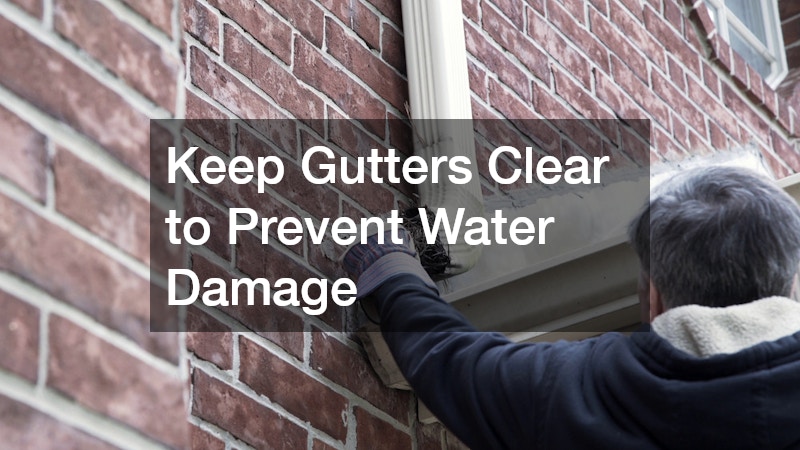
Gutters play a vital role in directing water away from your home. When functioning properly, they prevent water from pooling on your roof or near your foundation. However, when gutters become clogged, they can cause significant damage that often goes unnoticed until it becomes a costly problem.
Leaves, twigs, and debris can block water flow, leading to overflow during rainstorms. This excess water can seep beneath roofing materials, weakening the structure over time and increasing the risk of leaks. It can also run down exterior walls, causing staining, mold growth, and deterioration of siding. Around the base of your home, persistent water exposure may erode soil, compromise landscaping, and even affect the stability of your foundation. In colder climates, clogged gutters can contribute to ice dams, which trap water on the roof and create additional pressure that may damage shingles and underlying materials.
Regular gutter cleanings are essential for maintaining proper drainage and preventing these issues. Ideally, gutters should be cleaned at least twice a year—once in the spring and once in the fall—but homes with heavy tree coverage may need more frequent attention. Installing gutter guards can also help reduce buildup, though they do not eliminate the need for maintenance entirely.
If you choose to handle this task yourself, prioritize safety. Use a stable ladder on level ground, wear gloves to protect your hands, and avoid overreaching to prevent falls. After removing debris, flush the gutters and downspouts with water to ensure everything is flowing properly. Consistent gutter cleanings are a simple but powerful way to protect your home from long-term water damage.
Hire Professionals for Complex Exterior Work
While many maintenance tasks can be handled by homeowners, some situations require professional expertise. Attempting complex repairs without the proper tools or experience can lead to further damage and safety risks.
Roofing contractors are equipped to handle detailed inspections, repairs, and replacements. They understand how to identify underlying issues that may not be visible and can provide long-term solutions rather than temporary fixes.
Similarly, gutter contractors specialize in ensuring proper drainage systems. They can repair damaged gutters, correct alignment issues, and install new systems that improve efficiency and durability.
Hiring professionals also saves time and reduces stress. Instead of troubleshooting problems on your own, you can rely on experienced individuals who understand best practices and safety standards.
Working with roofing contractors and gutter contractors ensures that your home receives high-quality care, reducing the likelihood of recurring issues.
Protect Your Siding From Seasonal Wear and Tear
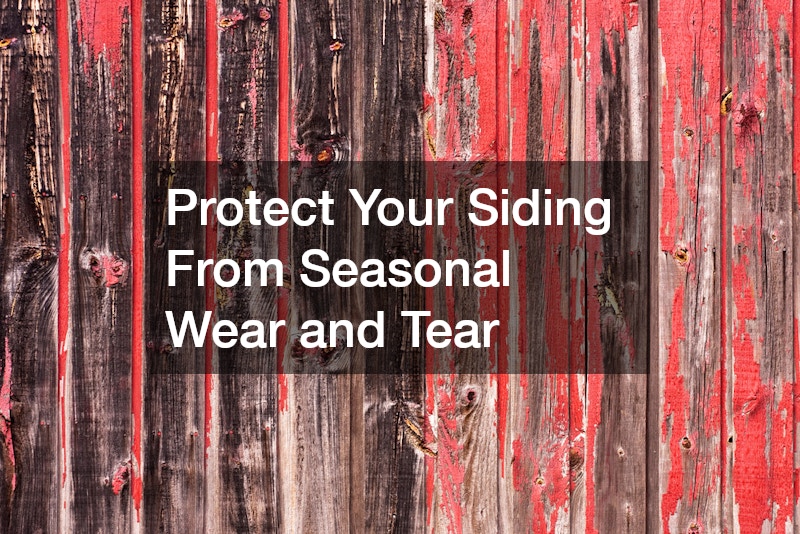
Siding serves as both a protective barrier and a key visual element of your home. Over time, exposure to sun, rain, wind, and temperature changes can cause it to deteriorate.
Regular cleaning is one of the most effective ways to maintain siding. Dirt, mold, and mildew can accumulate on the surface, leading to discoloration and potential damage. A gentle wash using a hose or pressure washer can help preserve its appearance and integrity.
It’s also important to inspect for physical damage. Look for cracks, warping, loose panels, or areas where moisture may be entering. These issues can compromise your home’s insulation and lead to further structural problems.
Professional siding services can address deeper issues, including repairs and replacements. They can also recommend materials and treatments that improve durability and energy efficiency.
Maintaining your siding not only enhances curb appeal but also ensures your home remains protected from environmental elements.
Work With Local Experts for Targeted Solutions
Every region presents unique challenges when it comes to home maintenance. Climate conditions such as humidity, snowfall, or extreme heat can affect how your home’s exterior performs over time.
Working with a local siding contractor provides valuable insight into these challenges. Local professionals understand the specific conditions in your area and can recommend solutions tailored to your environment.
For example, certain siding materials may perform better in humid climates, while others are more suitable for areas with heavy snowfall. A local siding contractor can help you make informed decisions based on these factors.
In addition to expertise, local professionals often provide quicker service and ongoing support. Their familiarity with regional building codes and common issues ensures that work is done correctly and efficiently.
Choosing a knowledgeable local expert helps ensure your home is prepared for the conditions it faces year-round.
Prepare Your Roof for Harsh Weather Conditions
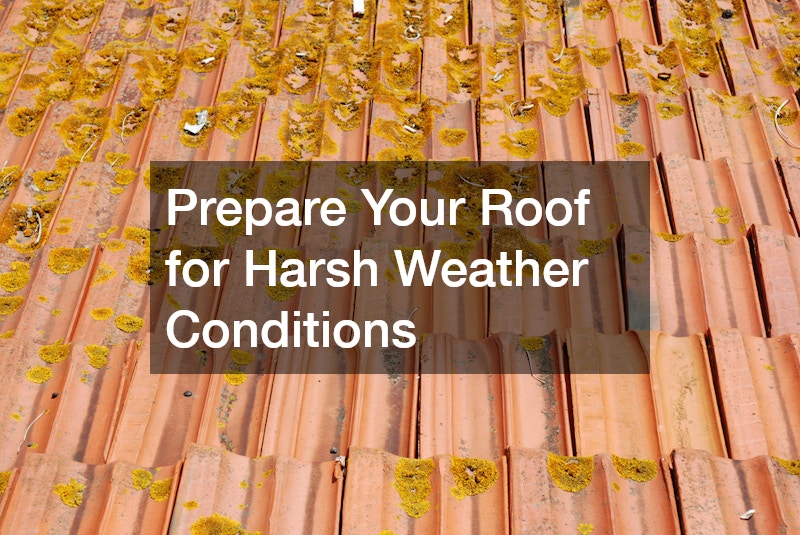
Each season brings its own challenges, and preparing your roof in advance is essential for preventing damage. Taking a proactive approach allows you to identify vulnerabilities before extreme weather puts them to the test, helping you avoid costly and disruptive repairs.
In winter, snow and ice can create significant stress on your roof. The weight of accumulated snow can strain the structure, while melting and refreezing cycles often lead to ice dams. Ensuring proper insulation and ventilation helps regulate temperature across the roof surface, preventing uneven melting that contributes to these issues. Clearing debris such as leaves and branches before snowfall is equally important, as it reduces the risk of moisture becoming trapped and freezing in place.
During summer, intense heat and prolonged UV exposure can gradually weaken roofing materials. Shingles may begin to curl, crack, or lose their protective granules, leaving the roof more vulnerable to leaks. It’s important to check for these signs regularly and address them early to prevent more extensive damage. Proper attic ventilation also plays a key role in reducing heat buildup, which can accelerate wear from below.
A roofer can evaluate your roof’s condition and recommend specific improvements tailored to seasonal demands. This might include reinforcing flashing, sealing vulnerable areas, or improving airflow to maintain a balanced temperature.
Preparing your roof ahead of extreme weather not only minimizes the risk of emergency repairs but also helps preserve its overall durability and long-term performance.
Know When It’s Time for a Full Roof Replacement
Even with proper maintenance, every roof has a lifespan. Recognizing when it’s time for replacement is crucial for avoiding ongoing problems.
Frequent leaks, widespread damage, and aging materials are strong indicators that repairs may no longer be sufficient. Continuing to patch an aging roof can become more expensive than replacing it entirely.
Reroofing provides a long-term solution that improves both protection and energy efficiency. New materials are often more durable and better suited to modern environmental conditions.
Timing your replacement is also important. Scheduling reroofing during mild weather conditions ensures a smoother process and better results.
A professional evaluation can help determine whether replacement is the best option, allowing you to make an informed decision.
Extend Roof Lifespan With Protective Treatments
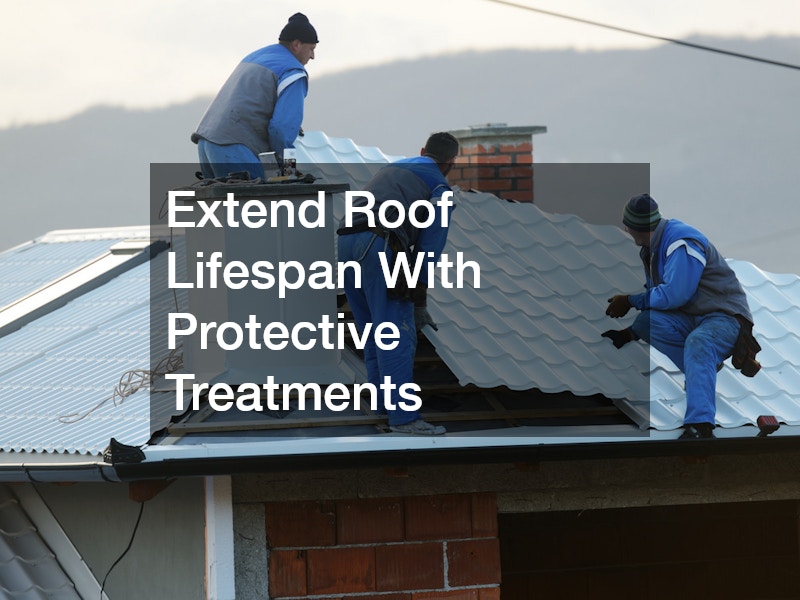
Protective treatments can significantly enhance your roof’s durability and performance. One of the most effective options is roof coating.
Roof coating creates a barrier that protects against moisture, UV rays, and temperature fluctuations. It can also improve energy efficiency by reflecting heat, reducing cooling costs during warmer months.
Applying coatings at the right time—before extreme weather conditions—maximizes their effectiveness. Different types of coatings are available, each suited to specific roofing materials.
Consulting a professional ensures proper application and optimal results. When done correctly, roof coating can extend the life of your roof and reduce the need for frequent maintenance.
Create a Year-Round Maintenance Routine That Works
Consistency is the key to effective home maintenance. Instead of addressing problems as they arise, a structured routine helps you stay ahead of potential issues.
Start by creating a seasonal checklist. Include tasks such as inspections, cleaning, and minor repairs. Setting reminders ensures these tasks are completed on time.
Combining DIY efforts with professional services allows you to cover all aspects of maintenance efficiently. Keeping records of inspections and repairs also provides valuable insight into your home’s condition over time.
By maintaining a consistent routine, you reduce the likelihood of major issues and keep your home in excellent condition year-round.
Stay Ahead of Problems and Protect Your Investment
Your home is one of your most valuable investments, and maintaining its exterior is essential for preserving that value. By taking a proactive approach to seasonal maintenance, you can prevent costly damage, extend the life of key components, and ensure your home remains safe and efficient.
Each step you take—whether it’s inspecting your roof, cleaning your gutters, or addressing minor repairs—contributes to long-term stability and peace of mind. Over time, these efforts add up to significant savings and fewer unexpected problems.
With the right strategy in place, you can confidently protect your home against the elements and enjoy the benefits of a well-maintained exterior for years to come.