
Managing a home often feels like juggling multiple responsibilities at once. From cosmetic updates to urgent repairs and full system replacements, homeowners frequently face overlapping projects that demand time, coordination, and careful budgeting. When handled separately, these projects can stretch across months or even years, leading to repeated disruptions, duplicated labor efforts, and unnecessary stress. However, with thoughtful planning and strategic scheduling, it is entirely possible to group renovations, repairs, and replacements together in a way that saves time and creates a smoother overall experience.
The key to successful coordination lies in understanding how different home systems interact and identifying opportunities to align their timelines. Roofing, plumbing, HVAC systems, landscaping, and structural improvements often affect one another. Addressing them in isolation can mean reopening walls, disturbing finished surfaces, or revisiting the same work zones repeatedly. By approaching your home as an interconnected system rather than a series of unrelated components, you can reduce inefficiencies and make more informed decisions about when and how projects should be completed.
In this guide, we will explore practical, strategic ways to bundle projects intelligently. Each section focuses on a specific area of the home and demonstrates how thoughtful scheduling can minimize disruption, prevent future damage, and create a more cohesive renovation plan.
Coordinating Exterior Improvements for Maximum Efficiency
When planning exterior upgrades, it makes sense to group related work together to reduce repeated setup and teardown. For example, if you are scheduling roofing repair services, consider whether your siding, fascia boards, or attic ventilation also need attention. Exterior crews often use scaffolding, ladders, and protective coverings, so completing multiple related tasks during the same timeframe minimizes labor duplication and protects surrounding landscaping.
Another smart strategy involves aligning roof work with drainage improvements. If your shingles are being replaced, it may also be the ideal time to consult gutter contractors about evaluating downspouts, slope alignment, and water flow patterns. Roofing and gutter systems function together to protect your home from moisture damage. Addressing both simultaneously ensures that the new roof performs at its highest potential without being compromised by outdated drainage systems.
Homeowners should also think ahead about seasonal timing. Exterior work is often weather-dependent, so grouping projects during favorable months helps contractors move efficiently from one task to another. Planning exterior repairs in phases that logically connect allows you to protect structural components, improve energy performance, and avoid unnecessary future disruptions. By aligning schedules thoughtfully, you transform what could be multiple scattered repairs into a streamlined improvement process.
Another important consideration when planning structural expansions is permitting and inspection sequencing. Large projects such as additions typically require multiple inspections at different stages, including foundation, framing, electrical, and final approval. By mapping out these inspection milestones in advance, homeowners can better coordinate contractor availability and prevent downtime between phases. Aligning subcontractors so that each phase begins immediately after approval keeps momentum strong and avoids prolonged exposure of unfinished structures to the elements. It is also helpful to create a master project calendar that includes delivery dates for materials, inspection appointments, and contingency days for weather delays. This level of coordination ensures that no trade is waiting unnecessarily for another to finish. When structural expansions are managed proactively and integrated into a broader renovation timeline, homeowners experience fewer scheduling bottlenecks and maintain tighter control over the overall pace of construction.
Aligning HVAC and Energy System Upgrades
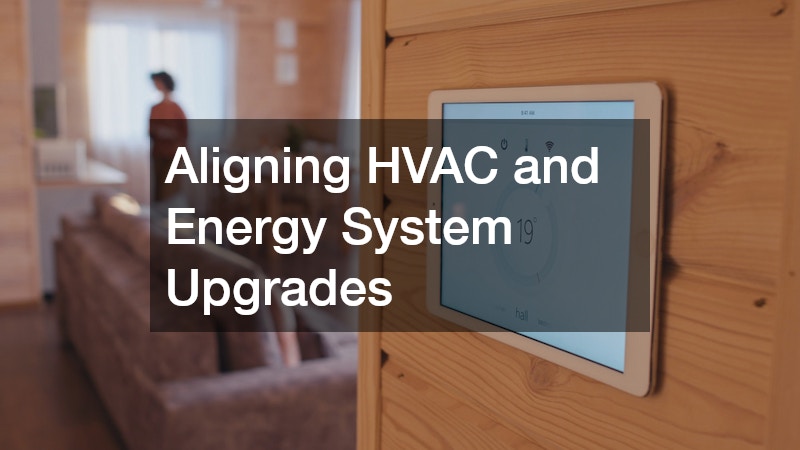
Interior system replacements are another area where coordination creates significant advantages. If you are planning ac installation, it may be wise to assess insulation levels, ductwork condition, and electrical capacity at the same time. Installing a new cooling system without evaluating airflow efficiency can limit performance and increase energy consumption. Bundling these assessments together ensures that the upgraded system operates optimally from day one.
Energy improvements often extend beyond HVAC equipment alone. For example, if your electrical panel is nearing capacity, completing upgrades before installing new climate control systems prevents scheduling conflicts later. Combining related electrical, insulation, and ventilation projects reduces the need to open walls or ceilings more than once. This approach keeps interior finishes intact and lowers overall disruption to daily life.
Timing also matters when coordinating indoor air quality enhancements. If duct cleaning, sealing, or filtration improvements are necessary, scheduling them alongside HVAC installation creates a cohesive system upgrade. Rather than piecemeal improvements, homeowners benefit from a comprehensive energy strategy that increases comfort and reduces long-term wear on equipment. A coordinated approach ensures each component supports the others, resulting in better efficiency and fewer return visits from contractors.
Homeowners should also evaluate irrigation systems, exterior lighting, and drainage grading when bundling outdoor projects. Renovation equipment and heavy machinery can disturb soil levels or underground utility lines, making it practical to inspect and upgrade these elements simultaneously. If landscaping beds are being redesigned after tree removals, this may be the ideal time to improve drainage slopes or reposition sprinkler heads to accommodate new layouts. Addressing these components together prevents having to redo landscaping after structural work is completed. Additionally, coordinating hardscaping projects such as patios, walkways, or retaining walls with exterior renovations ensures that finished surfaces are not damaged by later construction traffic. By creating a comprehensive outdoor improvement plan, homeowners maximize efficiency while protecting both new and existing features. Thoughtful timing reduces redundant labor and results in a cohesive, well-maintained exterior that complements interior renovations seamlessly.
Bundling Plumbing and Water System Improvements
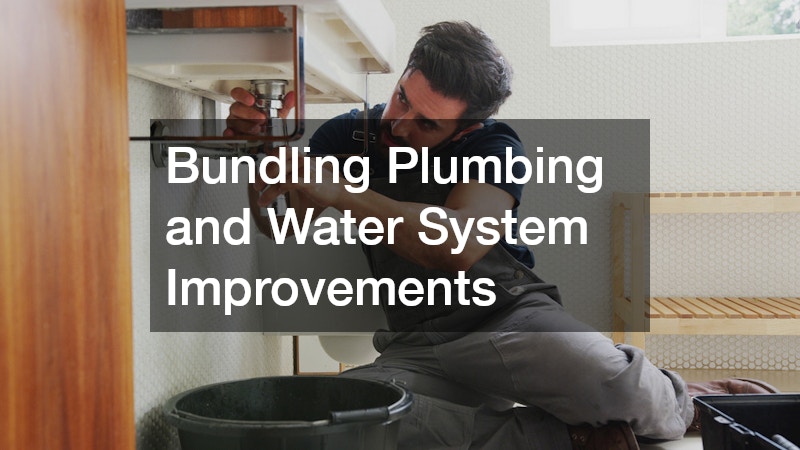
Water systems are deeply interconnected throughout the home, making them ideal candidates for coordinated scheduling. If you are bringing plumbers in for pipe replacements or bathroom renovations, evaluate whether other fixtures or appliances may soon require attention. Completing multiple plumbing tasks during one service window prevents repetitive water shutoffs and reduces inconvenience.
For instance, upgrading to tankless water heaters can align naturally with broader plumbing improvements. These systems often require modifications to gas lines, venting, or electrical connections. Scheduling this upgrade alongside pipe replacements or bathroom remodels ensures walls are opened only once, and labor efforts are consolidated. Planning ahead allows the plumbing team to prepare materials and coordinate inspections efficiently.
Additionally, kitchen renovations frequently overlap with plumbing updates. If countertops, sinks, or dishwashers are being replaced, grouping plumbing adjustments avoids unnecessary return visits. Water line rerouting, drain updates, and valve replacements can all be addressed in a single phase. By thinking holistically about water usage and delivery, homeowners create a more reliable system while minimizing disruption. Coordinated plumbing scheduling strengthens long-term functionality and reduces the likelihood of emergency repairs.
Clear communication becomes even more critical when renovation schedules overlap with moving timelines. Establishing a shared calendar that includes contractor milestones, packing dates, and delivery windows helps avoid confusion. Homeowners may also consider temporary storage solutions if certain renovation phases require extended access to specific rooms. This approach keeps belongings safe while allowing contractors to work without obstruction. Labeling boxes according to renovation phases can further streamline the unpacking process, ensuring that essential items remain accessible while work continues in other areas. Planning transitional housing, if necessary, can also reduce daily disruptions and provide contractors with uninterrupted access to the property. By anticipating how the movement of people and possessions intersects with construction schedules, homeowners reduce stress and improve efficiency. Strategic coordination during life transitions not only protects belongings but also allows renovation teams to complete their work more effectively and on schedule.
Planning Structural Expansions With Long-Term Vision
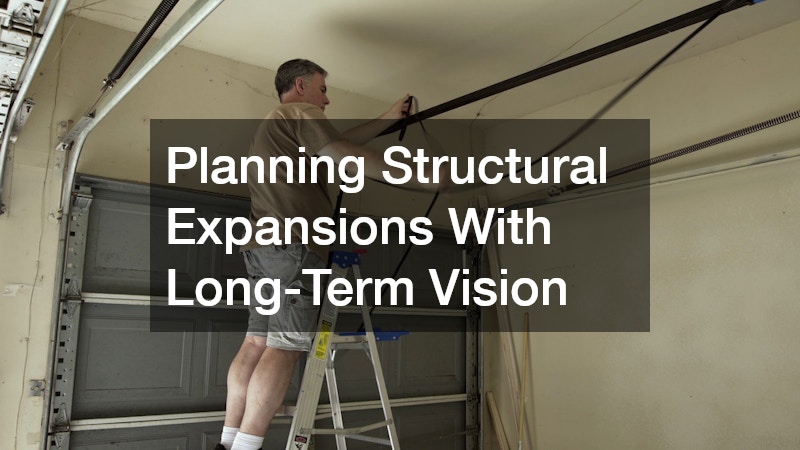
Structural additions require careful sequencing, especially when expanding square footage. If you are building a garage addition, it is important to evaluate how this change affects your electrical load, drainage patterns, and even roofing structure. Planning these interconnected systems at the same time prevents future complications.
For example, a new garage may alter rooflines or require extended gutter systems. Aligning structural framing, roofing adjustments, and drainage planning in one timeline ensures seamless integration. It also avoids having to revisit the same structural zones after finishing work has already been completed. When framing crews and exterior contractors coordinate schedules, the project flows more efficiently.
Interior access points should also be considered. If the addition connects to existing living space, HVAC duct extensions, electrical wiring, and insulation upgrades can be scheduled concurrently. This approach avoids repeated drywall removal and finishing. By anticipating the ripple effects of structural expansions, homeowners reduce delays and ensure every contractor understands the broader vision. Careful scheduling transforms a complex project into a well-orchestrated sequence of steps.
Integrating Outdoor Maintenance With Property Upgrades
Outdoor spaces often require maintenance that can be scheduled alongside larger renovation efforts. If your landscaping plan includes tree removals, consider timing them before roofing or siding projects begin. Clearing large branches and unstable trees protects crews working on elevated surfaces and prevents accidental damage to new materials.
Similarly, if your home includes a pool, coordinating with local pool cleaning companies during exterior renovations can prevent debris accumulation. Construction dust, roofing materials, and landscaping waste can easily enter pool systems. Scheduling cleaning services immediately after exterior work ensures your outdoor amenities remain in good condition.
Pest prevention should also align with landscaping updates. Before installing new decks, fencing, or exterior additions, scheduling termite control services ensures structural wood components are protected from infestation. Completing pest inspections prior to closing up walls or foundations provides peace of mind and prevents hidden damage. When homeowners integrate outdoor maintenance with structural upgrades, they create a unified timeline that enhances safety and long-term durability.
Timing Relocations and Major Transitions Strategically
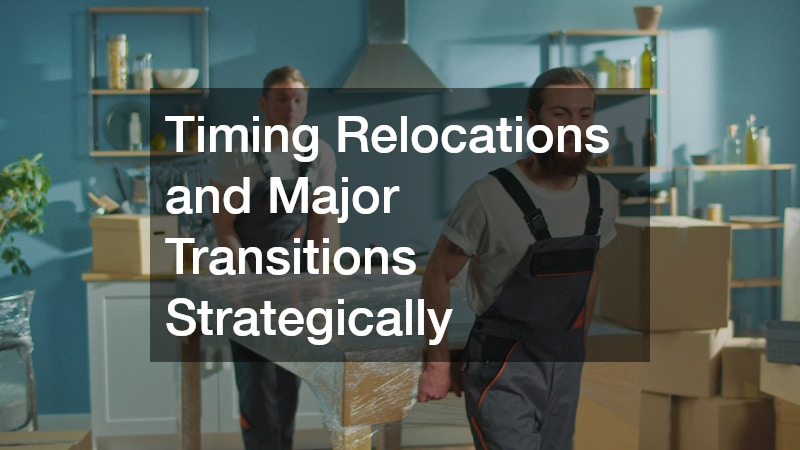
Some renovations coincide with life transitions, such as moving into or out of a home. If you are planning significant updates before relocation, coordinating with the best moving companies early in the process can help align timelines. Major renovations often require clearing rooms or temporarily relocating belongings. Scheduling movers strategically prevents damage to furniture and reduces logistical stress.
For homeowners moving into a new property, completing repairs before fully unpacking is especially beneficial. Replacing flooring, updating plumbing, or completing HVAC upgrades is far easier in an empty space. Aligning contractor schedules with your moving date allows projects to be completed efficiently before daily routines resume.
Additionally, if structural modifications or landscaping improvements are underway, it is wise to coordinate delivery schedules for building materials around moving activities. Clear communication between contractors and movers prevents blocked driveways, limited access, or delays. By viewing relocation and renovation as interconnected events, homeowners maintain control over timing and reduce the chance of costly rescheduling. Strategic coordination during transitional periods sets the stage for a smoother homeownership experience.
Scheduling renovations, repairs, and system replacements together requires foresight, communication, and strategic organization. Rather than approaching each issue independently, homeowners benefit greatly from viewing their property as an interconnected system. Roofing, plumbing, HVAC equipment, structural expansions, landscaping, and relocation logistics all influence one another. By aligning timelines thoughtfully, you reduce repetitive labor, protect finished surfaces, and create a more efficient workflow for every professional involved.
The most successful projects begin with a comprehensive evaluation of your home’s current condition and long-term goals. Identify areas nearing the end of their lifespan, consider how different systems interact, and consult contractors about opportunities to bundle services. Coordinating related work prevents unnecessary reopening of walls, repeated utility shutoffs, and duplicated setup costs. It also allows professionals to collaborate more effectively, resulting in smoother transitions between phases.
Ultimately, smart scheduling transforms what could feel like an overwhelming series of projects into a streamlined plan of action. When renovations, repairs, and replacements are grouped strategically, homeowners gain better results with less disruption. With careful planning and clear communication, you can protect your investment, improve comfort, and ensure every improvement supports the next for years to come.