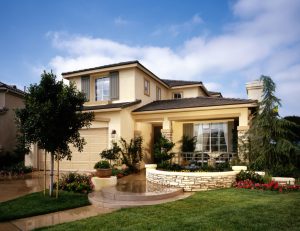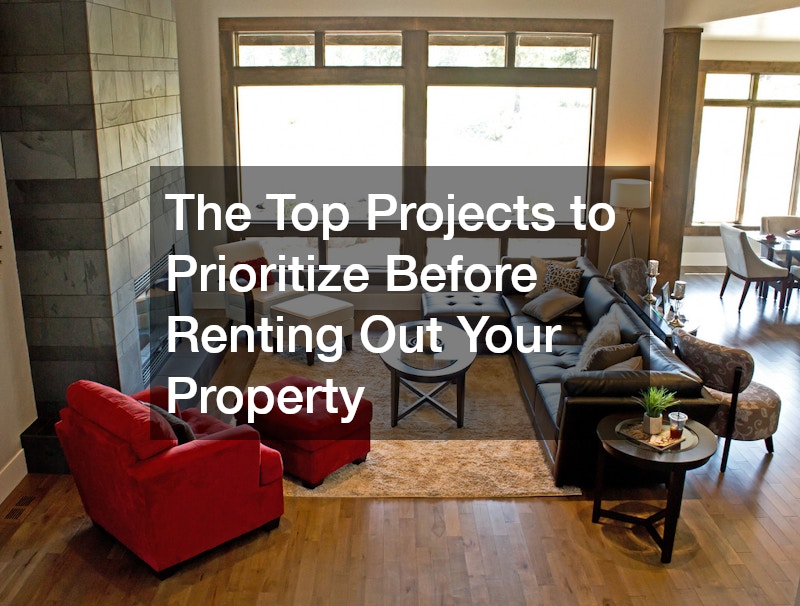
When preparing a residential property for the rental market, many real estate investors and landlords immediately turn their attention toward interior cosmetic updates like applying fresh coats of paint, updating cabinet hardware, or staging rooms for prospective tenants. While attractive interior aesthetics certainly play a role in marketing a home, the long-term profitability, operational stability, and liability management of a rental investment depend far more heavily on the underlying condition of the home’s primary structural systems, exterior amenities, and essential safety features. Prioritizing critical structural maintenance and targeted exterior upgrades before placing tenants in your property protects your physical asset, drastically reduces the frequency of future emergency repair calls, minimizes tenant turnover rates, and empowers you to command higher monthly rental yields.
Inspecting Outdoor Amenities Before Welcoming Tenants
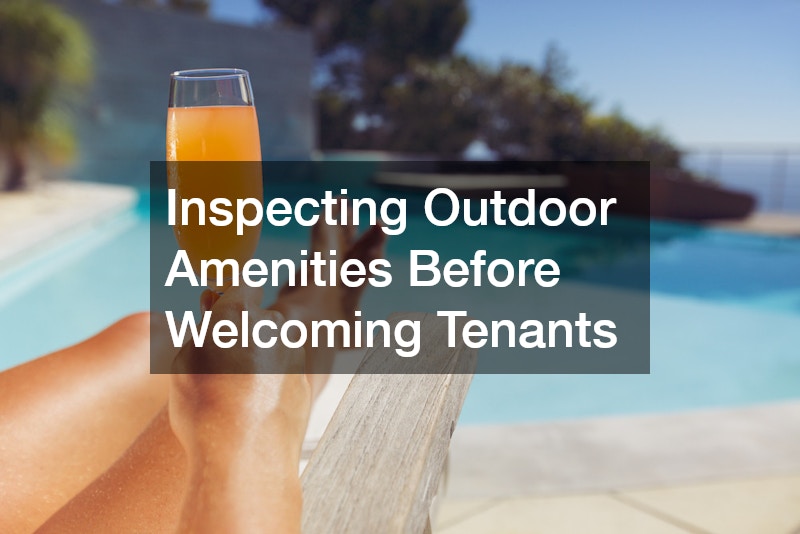
If your rental property features specialized outdoor recreational amenities such as an inground swimming pool, hot tub, built-in outdoor kitchen, or expansive lounge deck, these high-value features require a meticulous structural and operational evaluation prior to tenant occupancy. Outdoor amenities serve as major selling points during the leasing process, allowing landlords to stand out in competitive markets and attract quality applicants who are willing to pay a premium. However, these features also represent significant ongoing liability and operational responsibilities if they are not maintained with strict attention to safety standards. A deteriorating pool surface, cracked concrete deck coping, malfunctioning filtration pump, or loose barrier gate can quickly escalate into a catastrophic liability hazard, leading to tenant disputes, severe property damage, or costly personal injury claims.
Before welcoming new tenants onto the property, perform a comprehensive safety and mechanical audit of all water features and outdoor recreation zones. Ensure that all required safety barriers, such as self-closing and self-latching perimeter gates, sturdy pool fences, and heavy-duty safety covers, are fully functional and in strict compliance with local municipal codes. Furthermore, the water filtration, circulation pumping, and automated chemical dosing equipment must be thoroughly serviced to prevent algae blooms, cloudy water, and mechanical failure during peak usage seasons. Partnering with certified local pool contractors allows you to thoroughly inspect the structural integrity of pool basins, pressure-test underlying plumbing lines, complete necessary plaster or tile repairs, and establish a clear, reliable routine service schedule. This proactive investment ensures that your high-value outdoor amenities remain an attractive, enjoyable asset rather than an unpredictable source of financial and legal exposure.
Ensuring Heating and Cooling Systems Are Tenant-Ready
Heating, ventilation, and air conditioning systems represent some of the most critical mechanical assets within any residential rental unit. A sudden, unexpected HVAC breakdown during a sub-zero winter freeze or a stifling mid-summer heatwave creates an immediate emergency situation, causing severe discomfort or health hazards for your tenants while forcing you to pay premium rates for emergency off-hours service calls. Furthermore, an inefficient, poorly maintained climate control system leads to excessively high energy bills, which can cause significant friction with tenants responsible for utility payments or eat directly into your profit margins if utility costs are included in the lease rate.
Taking the necessary time to thoroughly service all heating and cooling equipment prior to leasing protects your physical capital and significantly extends the operational lifespan of expensive machinery. Replacing dirty air filters, clearing accumulated sludge from condensate drain lines, inspecting ductwork for thermal leaks, and testing digital thermostat calibration are essential pre-lease maintenance tasks. Scheduling a professional annual inspection and system tune-up with reputable HVAC companies ensures that heat exchangers, cooling compressors, blower motors, and electrical safety relays are operating cleanly, efficiently, and safely. Establishing a clean bill of health for your primary climate control systems guarantees consistent year-round indoor comfort for your occupants while minimizing middle-of-the-night emergency maintenance calls throughout the entire duration of the lease term.
Repairing Entryways for Safety and Security
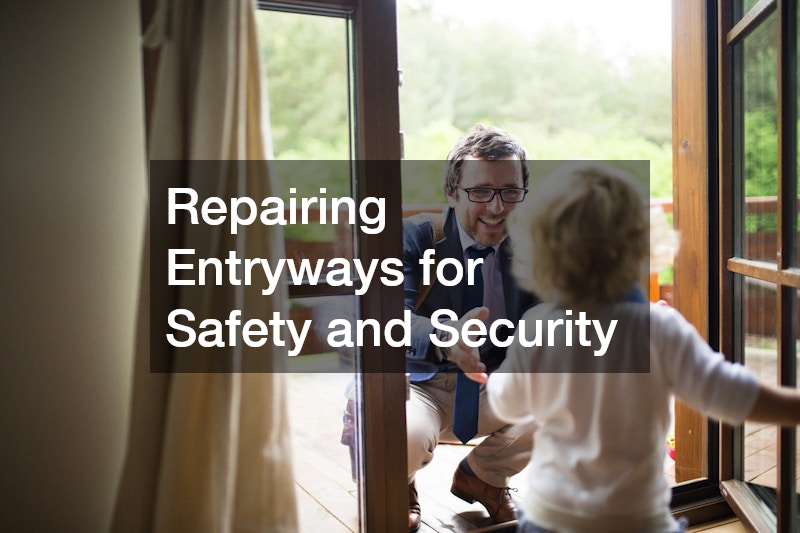
The primary entry points of your rental property serve two vital functions: they form a prospective tenant’s immediate impression of the home’s overall care and act as the fundamental physical barrier regarding security. Loose exterior door frames, binding locks, rusted or sagging hinges, or warped exterior doors compromise tenant safety and invite forced entry risks. Additionally, worn, cracked, or missing weatherstripping around primary doorways allows unconditioned outdoor air, water moisture, and pest infestations to enter the living space, driving up operational utility expenses and accelerating interior finish wear.
Inspecting, repairing, and upgrading every exterior entry door—including the front entry, side service doors, sliding patio doors, and interior garage access points—should be a non-negotiable requirement before listing the property on the market. Verify that heavy-duty deadbolts and handle sets operate smoothly without sticking, and ensure that strike plates are securely fastened into the underlying structural wall framing using extended three-inch steel screws. If exterior doors show signs of wood rot, core swelling, or mechanical latch failure, arranging for expert door repair or complete unit replacement ensures that all entryways operate seamlessly, latch securely, and present a sleek, polished appearance. Providing robust, fully operational security features reassures incoming tenants that their personal safety and valuable belongings are well protected within the home.
Preventing Water Damage With Proper Drainage Maintenance
Uncontrolled water migration poses one of the most destructive threats to residential real estate assets. When heavy rainwater fails to drain cleanly away from a building, it overflows onto delicate exterior wall cladding, rots fascia boards and roof edges, saturates wooden window frames, and pools directly around the home’s concrete foundation. Over time, this constant moisture intrusion leads to extensive structural rot, basement flooding, subfloor warping, and toxic mold proliferation, all of which compromise the habitability of your unit and can result in devastating financial losses.
To safeguard your real estate asset from costly water-related degradation, pay close attention to the primary roofline drainage collection system. Roof gutters and vertical downspouts must be cleared of accumulated leaves, pine needles, dirt, and bird nests to guarantee unimpeded water discharge during heavy rainstorms. Inspect gutter runs for sagging segments, loose mounting spikes, or leaking seam joints that could cause localized water spillage. Engaging a specialized gutter repair technician ensures that leaking seams are properly re-sealed, loose hanging hardware is securely re-anchored into structural sub-fascia, and downspout splash blocks or underground extensions are properly aligned to carry rainwater at least five to ten feet away from the foundation walls, keeping the home’s envelope dry, stable, and mold-free.
Evaluating the Roof for Long-Term Reliability
The roof serves as your property’s primary protective shield against torrential rain, high winds, heavy snowfall, and harsh ultraviolet exposure. A neglected roof system featuring aging, curling, or missing shingles can allow insidious, slow leaks to develop unnoticed inside attic spaces and exterior wall cavities. By the time an occupant notices visible water staining on a bedroom ceiling or drywall corner, substantial structural wood rot, insulation damage, and mold growth may have already taken root beneath the surface, resulting in thousands of dollars in emergency remediation and potential temporary tenant displacement.
Evaluating overall roof health prior to entering into a binding lease agreement is crucial for preserving long-term property value and preventing catastrophic capital expenditures down the road. Inspect critical high-risk areas, including roof valleys, stepped flashing around chimneys, plumbing vent stacks, and the general condition of field shingles for signs of cracking, blistering, or excessive granule loss. Contracting a licensed, fully insured roofing contractor to conduct a thorough roof inspection enables you to address minor issues—such as replacing damaged shingles, re-caulking loose flashing, or repairing rubber vent boots—before small vulnerabilities transform into major structural failures, ensuring long-term reliability and complete peace of mind for both landlord and tenant.
Improving Energy Efficiency Before Leasing the Property
Thermal efficiency has become a primary consideration for modern renters who want to maintain comfortable indoor living environments without suffering from exorbitant monthly utility costs. Rental properties suffering from poor thermal insulation and unsealed air leaks experience persistent cold drafts in the winter, hot rooms in the summer, and excessive seasonal temperature fluctuations. These performance flaws force heating and air conditioning units to run continuously, resulting in inflated energy bills, accelerated mechanical wear, and high tenant dissatisfaction that frequently leads to lease non-renewals.
Enhancing your rental home’s thermal building envelope is one of the most cost-effective strategies for increasing market value and driving long-term tenant retention. Upgrading under-insulated attic spaces, insulating exposed crawl space joists, and sealing air leaks around electrical outlets, recessed lighting, and plumbing penetrations dramatically improves energy performance. Consulting with professional insulation companies allows you to identify hidden thermal bypasses using modern diagnostic tools and bring insulation density up to current regional building codes. Installing modern blown-in cellulose or spray foam insulation creates a quieter, more temperature-stable environment, lowers operational heating and cooling expenses, and serves as an attractive, highly marketable selling point when advertising your property to prospective renters.
Restoring Driveways to Enhance Curb Appeal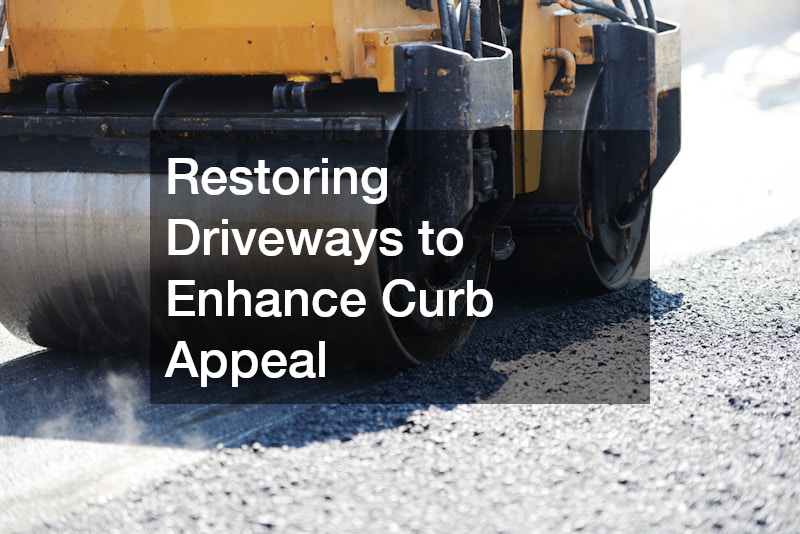
The driveway constitutes one of the largest and most visually dominant features of your rental property’s front exterior. A cracked, pitted, spalling, or oil-stained driveway immediately degrades the visual presentation of the home, giving prospective tenants the distinct impression that the entire property has suffered from poor oversight and general neglect. Beyond aesthetic drawbacks, deep potholes, severe surface cracks, or uneven asphalt edges create dangerous tripping hazards for occupants and guests, as well as potential tire or suspension damage to vehicles, exposing property owners to unnecessary premises liability claims.
Restoring the driveway surface dramatically revitalizes the front elevation of the home, boosting overall curb appeal and setting a high standard of quality. Repairing surface cracks, leveling settled sections, and applying a thick, protective seal coat extends the operational life of asphalt or concrete paving while creating a clean, uniform dark finish. For driveways that have suffered extensive structural failure, partnering with a qualified local driveway paving contractor allows you to correctly resurface or fully repave the area, ensuring proper base compaction, correct surface pitch for water runoff, and long-lasting structural durability. A beautifully restored driveway creates an immediate positive impression during property walkthroughs and signals to prospective tenants that you are an attentive, responsible property manager.
Refreshing Landscaping to Make a Strong First Impression
Crucial first impressions are formed within the first few seconds a prospective tenant arrives at your property for a showing. Overgrown trees, unkempt lawns, dense weed infestations, and dead shrubbery communicate a lack of care, making it difficult to justify top-tier rental rates or attract conscientious tenants. Furthermore, dead tree limbs hanging precariously over rooflines, driveways, or power lines present severe safety hazards during high-wind events, while overgrown vegetation pushing directly against exterior siding holds moisture against the structure and creates convenient bridge pathways for wood-destroying insects like carpenter ants and termites.
Refreshing the overall landscape layout creates a clean, vibrant, and inviting environment while minimizing ongoing physical maintenance demands for both property managers and tenants. Prune low-hanging tree branches to clear rooflines and sightlines, trim overgrown bushes away from windows and exterior cladding, and re-establish sharp, clean lawn borders along walkways and driveways. Hiring experienced, professional landscapers helps you design a low-maintenance, drought-tolerant outdoor space utilizing hardy native plants that look lush and attractive year-round without requiring delicate care, excessive watering, or specialized gardening skills, striking an ideal balance between stunning curb appeal and pragmatic property management.
Maintaining Garden Beds for a Well-Kept Exterior
Defined garden beds and planting zones contribute significantly to the visual warmth and architectural character of a rental home, but without systematic upkeep, they quickly revert into unsightly, weed-choked patches of bare earth and soil erosion. Unprotected topsoil loses vital moisture rapidly during dry periods, causing ornamental plants to wither, while heavy downpours wash loose mud across clean sidewalks, patios, and driveways. Maintaining garden beds is a highly cost-effective exterior improvement that keeps the surrounding yard looking structured, intentional, and impeccably maintained.
Spreading a fresh, thick layer of protective organic material across all flower beds and around shrub bases serves multiple practical and aesthetic functions. This protective barrier suppresses aggressive weed germination, conserves soil moisture levels, and insulates vulnerable plant root systems against extreme summer heat and winter freezes. Furthermore, it delivers a sharp, clean visual contrast against manicured green lawns and building foundations, elevating the entire property’s exterior presentation. Utilizing a dedicated mulch service simplifies this labor-intensive process, ensuring uniform depth, premium quality materials, and rapid application that keeps your garden beds looking neatly sculpted and professionally maintained throughout the entire rental season.
Correcting Grading and Drainage Issues Around the Property
Over time, natural soil settling, wind erosion, and minor landscape modifications can alter the intended ground contours surrounding a residential foundation. If the soil surrounding your building slopes inward toward the foundation walls rather than sloping outward away from the structure, surface rainwater runoff gathers directly against basement walls, slab edges, and crawl space access points. This localized standing water exerts intense hydrostatic pressure against concrete foundation walls, driving dampness through tiny masonry pores, undermining footings, and causing chronic basement dampness that rots floor joists and fuels extensive mold growth.
Correcting negative land grading around the building perimeter is one of the most critical structural preparation projects a property owner can undertake prior to leasing. Re-establishing a positive ground slope—where the grade falls a minimum of six inches over the first ten feet away from the foundation perimeter—ensures that rainwater naturally flows away from the building envelope. Hiring a licensed excavating contractor allows you to re-contour the surrounding terrain, build effective drainage swales, or install subterranean French drain networks using heavy earthmoving machinery, permanently resolving complex site drainage challenges, keeping sub-grade spaces dry, and protecting your property’s foundational integrity for decades to come.
In conclusion, successfully preparing a residential property for the competitive rental market requires a strategic balance between cosmetic appeal and underlying structural reliability. While attractive interior updates help market a property, prioritizing foundational maintenance projects—such as evaluating roof integrity, servicing major HVAC units, securing entryways, perfecting site drainage, and refining landscape elements—safeguards your real estate asset against severe long-term degradation and costly emergency repairs. Investing in these essential exterior and mechanical upgrades before signing a lease agreement minimizes tenant turnover, protects property value, lowers liability exposure, and ensures your rental investment yields consistent, stress-free financial returns for years to come.