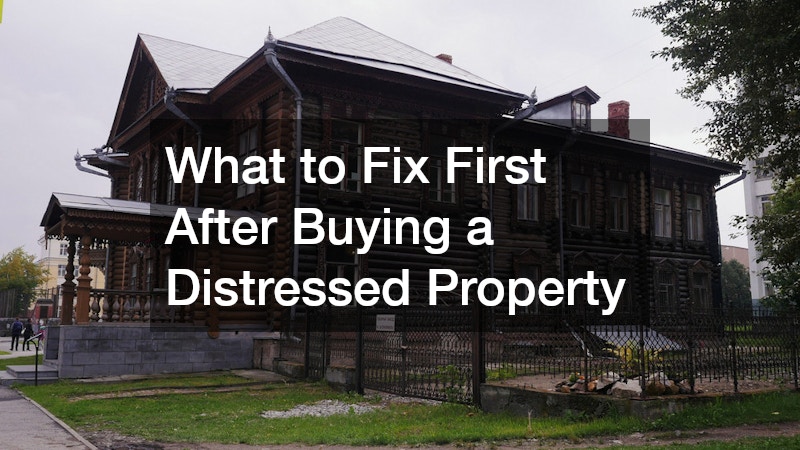
Buying a distressed property can feel like stepping into controlled chaos. You walk through the space and see everything at once—peeling paint, broken fixtures, maybe even structural concerns—and the instinct is often to fix whatever stands out visually. But experienced investors know that reacting emotionally to what looks worst is rarely the smartest move. What matters most is identifying what must be fixed first to protect your investment, not what’s most obvious at a glance.
A distressed property is, by definition, a property that has been neglected. That neglect usually isn’t isolated to one area—it’s systemic. If a home has visible damage, there’s a strong chance there are hidden issues behind walls, under floors, or in the systems that keep the property functional. This is why your first step should be observation and planning, not action.
Walk the property slowly, more than once. The first walkthrough is usually overwhelming, but the second and third help you notice patterns. For example, water stains in multiple rooms may point to a roof issue, not just isolated leaks. Doors that don’t close properly could indicate foundation movement rather than simple hinge problems. These connections matter because they help you avoid treating symptoms instead of root causes.
It can also be helpful to document everything. Take photos, record short videos, and create a running list of concerns. Many investors even sketch a rough floor plan and mark problem areas. This doesn’t need to be perfect—it just needs to give you a clearer picture of what you’re dealing with.
Another key mindset shift is understanding that not all repairs are equal. Some are urgent, others are strategic, and some can wait entirely. The goal at this stage is to separate those categories. Ask yourself questions like:
- Does this issue pose a safety risk?
- Could this problem get worse quickly if ignored?
- Will this prevent me from renting or selling the property?
Answering these questions helps you create a hierarchy of repairs, which becomes your roadmap for everything that follows.
Prioritize Immediate Safety Risks That Could Delay Occupancy
Before you think about improving value, you need to make sure the property is safe. This is the foundation of every successful renovation—not just ethically, but financially. Unsafe properties can’t be legally occupied, and they often attract problems that make rehabs more expensive.
Start with access points. Broken doors, shattered windows, or unsecured entryways leave the property exposed. In some situations, particularly with larger buildings or properties in high-traffic areas, investors temporarily bring in apartment security guards to monitor the site. This isn’t a permanent solution, but it can protect your investment during the vulnerable early phase when materials, tools, and partially completed work are on-site.
Then there’s the issue of wildlife. It’s more common than many new investors expect. Vacant homes can become nesting grounds for animals, especially if there are gaps in the roofline, attic, or crawl space. You might hear scratching noises or notice droppings, insulation damage, or strange smells. In these cases, emergency animal removal becomes a necessary first step—not just for cleanliness, but to prevent further structural damage.
Safety also extends to things like exposed wiring, unstable staircases, or weakened flooring. Even if you’re the only one entering the property during renovations, these risks can lead to injuries and liability issues.
One practical approach is to create a “day one safety checklist.” Within the first 24–48 hours of ownership, aim to:
- Secure all entry points
- Remove or block off hazardous areas
- Identify any immediate environmental or structural threats
Taking these steps early creates a controlled environment where you can confidently move on to deeper repairs.
Evaluate Structural Integrity Before Any Cosmetic Work
Once the property is safe to enter and secure, it’s time to focus on what holds everything together: the structure. This is where many investors either make or lose money, because structural issues are expensive—and often hidden.
You might notice cracks in the walls or ceilings, but those are just clues. The real concern is what’s happening beneath the surface. Foundation shifts, compromised load-bearing walls, or long-term water damage can all affect the stability of the home.
In some cases, you won’t know the full extent of the problem until you open things up. This is where selective demolition comes in. Removing sections of drywall or flooring can reveal what’s really going on. It may feel like taking a step backward, but it’s actually a necessary part of moving forward intelligently.
If foundation issues are present, bringing in a concrete contractor early can save you significant time and money. They can assess whether repairs are needed and what approach makes the most sense—whether that’s patching, leveling, or more extensive work.
A common mistake is underestimating how structural issues impact other parts of the renovation. For example, installing new cabinets or countertops on uneven floors will lead to alignment problems. Laying tile on a shifting foundation will result in cracks. These aren’t cosmetic inconveniences—they’re signs that the underlying issue was never addressed.
Think of structural work as the anchor for everything else. Once it’s solid, every other improvement becomes more reliable and longer-lasting.
Remove Environmental Hazards That Could Affect Value
Some of the most serious risks in distressed properties aren’t visible during a walkthrough. Environmental hazards often require specialized inspections, but ignoring them can create long-term financial and legal consequences.
Older properties, in particular, may have outdated systems that were once standard but are now considered hazardous. One example is underground storage tanks used for heating oil. Over time, these tanks can corrode and leak, contaminating the surrounding soil. When this happens, underground oil tank removal becomes essential—not optional.
The process typically involves locating the tank, testing for leaks, and safely removing both the tank and any contaminated soil. It’s not a quick fix, but it’s a necessary one. Properties with unresolved environmental issues can be difficult to insure, finance, or sell.
Beyond tanks, there may be concerns like mold, asbestos, or lead-based materials. Each of these requires careful handling and, in many cases, professional remediation.
This stage of the renovation is less about visible progress and more about risk management. It’s the kind of work that doesn’t make a property look better immediately, but it makes it safer, more compliant, and more valuable in the long run.
Repair Plumbing Systems to Prevent Escalating Damage
Plumbing issues are one of the fastest ways for a distressed property to become more distressed. Water damage spreads quickly, and what starts as a minor leak can turn into a major repair if left unaddressed.
During your initial walkthroughs, look for signs like water stains, warped flooring, or musty odors. These often point to leaks behind walls or under floors. Even if everything appears dry, it’s still worth testing the system thoroughly.
A qualified plumber can help identify weak points in the system, from aging pipes to outdated fixtures. In some cases, you may only need targeted repairs. In others, especially with older properties, a more comprehensive approach involving full plumbing services may be the better investment.
The key is to think long-term. Temporary fixes might save money upfront, but they often lead to repeat issues. Investing in durable, updated plumbing reduces the risk of future damage and improves the overall reliability of the property.
This is also the stage where you can consider upgrades that improve efficiency, such as modern fixtures or better water pressure systems. These improvements may not be immediately visible, but they contribute to tenant satisfaction and lower maintenance costs over time.
Secure Entry Points to Protect the Property and Its Future Use
Once major systems are addressed, it’s time to revisit how people enter and interact with the property. Entry points play a bigger role than many investors realize—they affect security, functionality, and even perception.
Damaged or outdated doors and windows can make a property feel neglected, even if other areas have been improved. They also create vulnerabilities that can lead to theft or damage during the renovation process.
Garages are a common trouble spot. In distressed properties, the garage door is often one of the first things to fail. It may be stuck, off-track, or completely nonfunctional. In many cases, it’s more practical to replace a garage door than to attempt repeated repairs. A new door not only improves security but also enhances the property’s overall appearance.
This stage is about creating a sense of stability. When entry points are secure and functional, the property starts to feel like a controlled project rather than an open-ended problem.
Ensure Reliable Utility Infrastructure for Daily Living
A property isn’t truly livable until its core utilities are reliable. This includes water, electricity, and waste systems—all of which need to be assessed before moving forward with final improvements.
In some areas, especially rural or semi-rural locations, the property may rely on private systems like water wells. These systems require inspection to ensure they’re functioning properly and providing safe, consistent water.
Issues with water supply can range from low pressure to contamination. Addressing these problems early ensures that future occupants won’t face disruptions, and it prevents you from having to revisit major infrastructure later.
This stage often overlaps with other system repairs, but it deserves focused attention. Reliable utilities aren’t just a convenience—they’re a baseline requirement for any successful investment property.
Focus on High-Impact Renovations That Drive Value

After addressing safety, structure, and systems, you can finally turn your attention to improvements that increase the property’s appeal and market value.
This is where many investors feel more comfortable, because the results are visible. Fresh paint, updated kitchens, and modern bathrooms can transform a space. But the key is to approach these upgrades strategically.
Working with a remodeling company can help you identify which changes will have the greatest impact. Not every upgrade needs to be high-end. In fact, aligning your improvements with the expectations of the local market is often more important than aiming for luxury.
For example, a functional, clean kitchen with durable materials may be more valuable than an expensive, over-designed one that doesn’t match the neighborhood. The same goes for bathrooms, flooring, and lighting.
This stage is about balance—investing enough to make the property attractive without overspending on features that won’t generate a return.
Create a Repair Timeline That Supports Investment Goals
Even the best repair plan can fall apart without a clear timeline. Sequencing your work properly ensures that each phase builds on the last without causing delays or rework.
Some tasks can happen simultaneously, but many depend on others being completed first. Structural and plumbing work should come before finishes. Electrical updates should happen before drywall is closed. Painting should come after major installations are done.
A rough timeline helps keep the project on track, but flexibility is just as important. Unexpected issues will arise, and being able to adjust without losing momentum is a valuable skill.
The goal isn’t perfection—it’s progress. A well-structured timeline keeps the project moving forward while allowing room for necessary adjustments.
Manage Costs Without Over-Improving the Property
One of the biggest challenges in renovating a distressed property is staying within budget. Costs can escalate quickly, especially when unexpected issues arise.
The key is to make decisions based on value, not emotion. It’s easy to get carried away with upgrades, especially once the property starts to take shape. But over-improving can reduce your overall return.
Focus on durability and functionality. Choose materials that will hold up over time and meet the expectations of your target market. Avoid upgrades that look impressive but don’t add meaningful value.
Building a contingency fund is also essential. Having a financial buffer allows you to handle surprises without compromising the quality of your work.
Conduct a Final Walkthrough Before Bringing the Property to Market
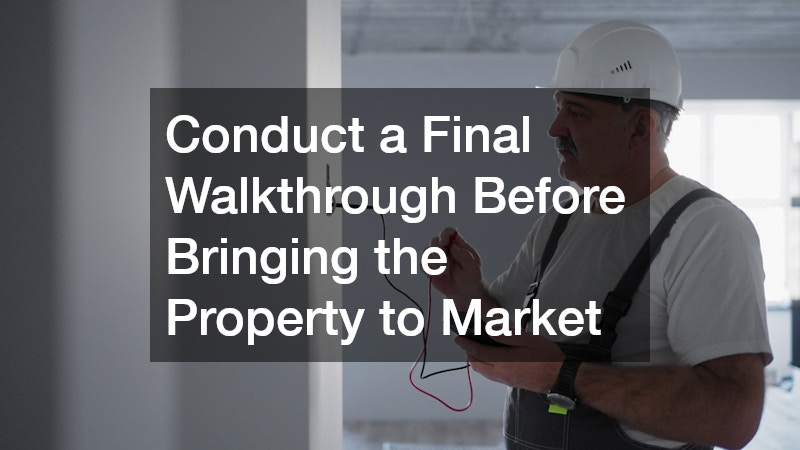
As the renovation comes to an end, it’s time to step back and evaluate the property as a whole. This final walkthrough is your opportunity to catch any remaining issues and ensure everything is ready for occupancy.
Move through the property slowly. Test fixtures, check finishes, and pay attention to details. Small imperfections can affect a buyer’s or tenant’s perception, even if the major work has been done well.
This is also a chance to experience the property as someone else would. Does it feel comfortable? Is it functional? Are there any lingering concerns that need to be addressed?
Taking the time to do a thorough final check ensures that the property is truly ready for the next phase.
Achieve a Strong Investment Outcome Through Smart Repair Decisions
Fixing a distressed property is never just about repairs—it’s about making the right decisions in the right order. Each step builds on the last, and the sequence you choose can either simplify the process or create unnecessary challenges.
By focusing first on safety, structure, and essential systems, you create a solid foundation for everything that follows. From there, thoughtful upgrades and careful planning transform the property into a valuable asset.
Every project is different, but the principles remain the same. When you approach repairs with clarity and strategy, you set yourself up for a stronger, more reliable investment outcome.