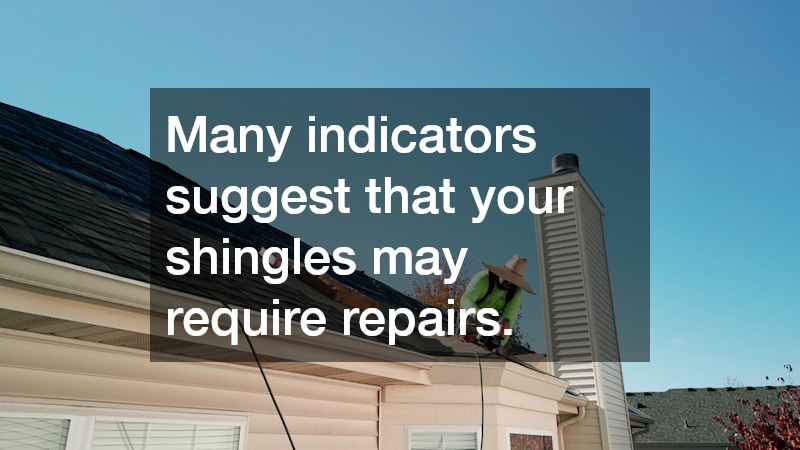
Maintaining the integrity of your home’s roof is crucial for protecting your household from the elements. At the core of roof maintenance is the task of deciding when to repair or replace shingles. This article delves into the details of how to determine the right time for residential roof repair. Shingles play a vital role in ensuring your home remains weatherproof, and keeping them in good condition can save you from unnecessary expenses. Whether you are dealing with wear and tear or severe weather damage, knowing when to act is essential. We will explore the factors influencing the decision, offering you a comprehensive guide on shingle maintenance. Understanding the various signs requires a keen eye and regular inspection, skills that homeowners should develop. Not only does it preserve the structural integrity of the house, but it also enhances the home’s resale value. Here, we discuss the pivotal moments when you should examine roof issues and the merits of timely solutions. Many indicators suggest that your shingles may require repairs. These can range from visible damage such as missing or broken shingles to more subtle signs like internal leaks. Residential roof repair becomes imperative when you identify these issues early. Another sign to consider is curling or buckling shingles, which typically indicates weakened material or poor ventilation. Additionally, shingles that appear to be losing granules and exposing the asphalt beneath indicate wear that can lead to further damage. When these issues arise, immediate attention is needed to prevent moisture infiltration. A crucial aspect of maintaining shingles is to perform regular roof checks, especially after storms or high-wind events. Taking precautionary steps can help avert more costly repairs due to neglect. Implementing periodic inspections and addressing small repairs timely assures the longevity of the roof. Sometimes, repair is not enough, and replacement becomes the only viable option. This is particularly true when damage affects a large section of the roof or if the roof is reaching the end of its useful life. The key is knowing when replacement is more cost-effective than frequent repairs. As a rule of thumb, if more than 20% of your shingles need repair, it might be more sensible to opt for a full replacement. Factors such as age, where most asphalt roofs last about 20-25 years, can also drive the decision. Moreover, widespread issues like moss growth or deformed shingles indicate the need for more extensive works. The benefit of having a new roof is not just about aesthetics; modern materials provide better durability and energy efficiency. This not only enhances your home’s curb appeal but also offers more protection against severe weather. A full roof replacement is an investment that you can rely on for decades, making it worthwhile for both peace of mind and future savings. The timing of roof repairs and replacements can greatly influence the outcome and cost of the project. Typically, the best time for residential roof repair is during the late spring through early fall. Mild temperatures and predictably dry weather conditions are ideal for this type of work. During these months, roofing crews can work efficiently without the interruption of harsh weather. Additionally, the materials used in roofing seal better in warmer temperatures, ensuring a more secure and lasting repair or installation. While spring and fall are optimal, urgent repairs should be conducted as soon as a problem is noticed to prevent compounding issues. However, ensuring that you book your roofing project well in advance is crucial as these are peak times for roofers. Contractors may offer discounts during off-peak seasons, which can benefit those needing non-urgent work. Understanding climatic conditions and their impacts on roofing will help you plan more effective solutions. Budget is often a significant factor in any decision-making regarding roof repairs or replacements. It is important to evaluate the extent and expected expenses of the project meticulously. Comparing repair costs versus replacement can help determine the most economically sound path to take. While repairing may be less expensive initially, frequent repairs can accumulate to significant sums over time. A one-time installation cost for a new roof might be more feasible when these accumulations are taken into account. Furthermore, getting multiple quotes from reputable contractors helps ensure you get a fair price. In some instances, insurance may cover part or all of the costs associated with storm damage. Reviewing your policy and understanding coverage details can offer substantial financial relief. Prioritizing cost analysis and potential savings is essential for making an informed decision on your roofing needs. Deciding the best time to repair or replace your home’s shingles is an essential part of home maintenance. Understanding when to opt for residential roof repair or replacement not only saves costs in the long run but also preserves the integrity of your home. Using the guidelines provided in this article empowers you to make informed choices about your roofing. Engaging with your roof’s needs, recognizing signs of wear, and scheduling projects at the right time ensures maximum durability and stability. Whether the solution is repair or replacement, each choice plays a crucial role in protecting your home from external threats. Navigating through the decision factors confidently stems from knowledge about shingle maintenance. As you consider your options, remember the importance of choosing experienced professionals for both repairs and replacements. Their expertise not only ensures quality workmanship but also provides you with peace of mind. Maintain regular inspections, act promptly on damage, and rest assured that your roofing investments are well-founded. Signs That It’s Time to Repair Your Shingles
When Replacement is Necessary
Optimal Seasons for Roof Work
Cost Considerations