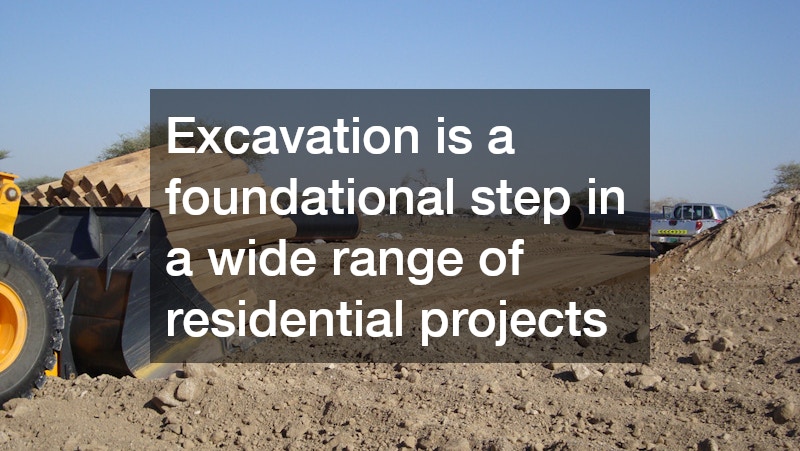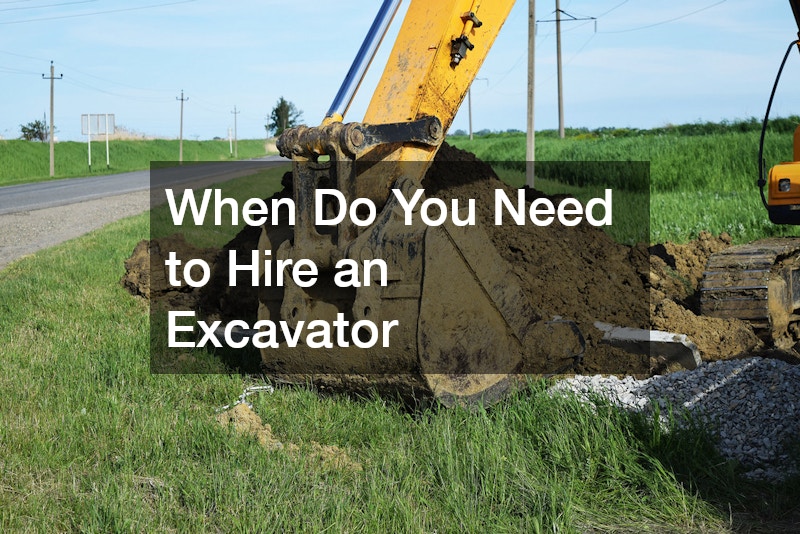
Many home improvement projects start above ground, but some of the most critical work happens below the surface. Excavation is a foundational step in a wide range of residential projects, from building additions to resolving drainage issues. While smaller tasks can sometimes be handled with basic tools, larger or more complex work often requires specialized equipment and expertise. Knowing when to hire an excavator helps ensure your project is completed safely, efficiently, and in compliance with local regulations.
Projects That Require Professional Excavation
Preparing for New Construction
Excavation is essential when preparing a site for new construction. Whether you’re building a home addition, garage, or outdoor structure, the ground must be properly cleared and leveled.
This process may involve removing soil, rocks, and debris to create a stable base for the foundation.
Professional excavation ensures accurate grading and proper soil compaction, both of which are critical for long-term structural integrity. Attempting this type of work without the right equipment can lead to uneven surfaces and costly issues down the line.
Installing or Replacing Foundations
Foundation work often requires significant excavation to access and prepare the site. This includes digging footings, trenches, or full basements, depending on the scope of the project. Precision is key, as even small errors in depth or alignment can impact the entire structure.
Hiring experienced professionals ensures that excavation is completed according to engineering specifications. This level of accuracy helps prevent settling, cracking, and other structural problems that can arise from improper groundwork.
Utility and Drainage Projects
Excavation is frequently needed for installing or repairing underground utilities such as water lines, sewer systems, and electrical conduits. It is also essential for improving drainage, including the installation of French drains or grading adjustments to direct water away from the home.
These projects often involve working around existing infrastructure, which requires careful planning and execution. Professional excavators have the tools and knowledge to complete the work without damaging surrounding systems or creating additional issues.
Situations Where DIY Isn’t Enough
Large-Scale Landscaping Changes
While basic landscaping can often be handled by homeowners, larger transformations may require excavation. Projects such as leveling a sloped yard, creating terraces, or installing retaining walls involve significant soil movement and grading.
Using professional equipment allows for more precise and efficient results. It also reduces the physical strain and time commitment associated with manual labor. For complex landscaping designs, hiring experts ensures that the outcome is both functional and visually appealing.
Dealing With Soil or Terrain Challenges
Certain soil conditions, such as clay, rocky terrain, or unstable ground, can make excavation more difficult. These challenges require specialized equipment and techniques to address safely. Attempting to work in these conditions without proper experience can lead to delays, equipment damage, or safety hazards.
Professionals are trained to assess soil conditions and adapt their approach accordingly. This expertise helps ensure that the project progresses smoothly, even in less-than-ideal environments.
Time-Sensitive Projects
Some home improvement projects operate on tight timelines, particularly when they are part of a larger renovation or construction schedule. Excavation can be time-consuming without the right tools, potentially causing delays that affect other phases of the project.
Hiring professionals allows the work to be completed more quickly and efficiently. Their experience and access to advanced equipment enable them to handle tasks that would take significantly longer using manual methods.
Choosing the Right Excavation Professionals
Evaluating Experience and Equipment
Not all excavation services are the same, so it’s important to evaluate a contractor’s experience and capabilities. Look for professionals who have handled projects similar to yours and who use modern, well-maintained equipment.
Experienced operators understand how to manage different site conditions and can anticipate potential challenges. This level of expertise contributes to a smoother process and a more reliable outcome.
Understanding Permits and Regulations
Excavation projects often require permits and must comply with local building codes. This may include regulations related to property boundaries, environmental impact, and utility safety. Navigating these requirements can be complex, especially for homeowners unfamiliar with the process.
Working with local excavating contractors ensures that all necessary permits are obtained and that the work meets regulatory standards. This not only protects you from potential fines but also ensures that the project is completed legally and safely.
Getting Accurate Estimates and Timelines
Before starting any excavation project, it’s important to obtain detailed estimates and timelines. A clear understanding of costs, scope, and duration helps you plan effectively and avoid unexpected expenses.
Reputable contractors provide transparent quotes and outline the steps involved in the project. This level of communication builds trust and allows you to make informed decisions about your investment.
Excavation plays a crucial role in many home improvement projects, particularly those that involve structural changes or underground systems. Knowing when to hire an excavator can save time, reduce risk, and ensure that your project is completed to a high standard. From construction preparation to drainage solutions, professional excavation provides the foundation for long-term success. By working with experienced contractors and planning carefully, homeowners can approach even complex projects with confidence.