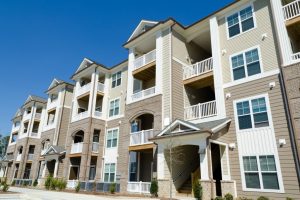
The dream of owning a piece of real estate is a central part of the American landscape. For many buyers, this dream manifests in two distinct paths. On one hand, there is the undeniable charm of a historic property that boasts character, history, and mature landscaping. On the other hand, there is the pristine allure of a freshly constructed property where no one else has ever lived, and every single detail can be customized from the ground up. Navigating this choice requires looking past the surface cosmetics and diving deep into the structural, financial, and emotional realities of both options.
Choosing between a fixer-upper and starting from scratch is rarely a simple financial equation. It involves assessing personal patience, evaluating local market conditions, and understanding the true scope of construction work. Property buyers often underestimate the hidden costs associated with older structures, just as they frequently overlook the unexpected fees that come with undeveloped land. By breaking down the decision into a practical checklist, future homeowners can make an informed choice that aligns with their lifestyle, budget, and long-term goals.
The Initial Pull of Character Versus Customization
Older houses have a unique way of capturing the imagination. From intricate woodwork and oversized windows to established neighborhoods with tree-lined streets, these structures offer a sense of permanence. There is a story embedded in the floorboards, and for a certain type of buyer, preserving that history is a deeply rewarding endeavor. However, that charm often comes with decades of wear and tear, outdated layouts, and structural systems that are nearing the end of their functional lifespans.
Conversely, a fresh build offers a blank canvas. There are no mysterious smells, no uneven floors, and no surprise repair bills waiting behind the drywall. The floor plans are designed for modern living, featuring open concepts, dedicated home offices, and ample storage space. Energy efficiency is built directly into the fabric of the building, which translates to lower utility bills from day one. Yet, this path requires a significant amount of decision-making stamina and the patience to wait out a lengthy construction process.
Assessing the Structural Integrity of Older Homes
When touring an older property, it is easy to get distracted by a beautifully updated fireplace or an expansive front porch. Experienced buyers know that the true value of a fixer-upper lies in its bones. A solid foundation, a dry lower level, and a sturdy frame are non-negotiable elements. If the core structure of the building is compromised, even the most generous renovation budget can vanish before any cosmetic improvements are made.
One common feature in historic homes, particularly those built before the mid-twentieth century, is a traditional stone basement. While these architectural elements offer incredible character and historical authenticity, they require specific maintenance. Unlike modern poured concrete, older masonry walls are porous and can allow moisture to seep in over time. Buyers must inspect these spaces for signs of efflorescence, bowing walls, or active water leaks, as correcting major moisture issues in an old cellar can become an expensive and specialized undertaking.
Evaluating the Exterior Envelope and Mechanicals

Beyond the lower level, the exterior envelope of an older home bears the brunt of the elements year after year. The condition of the exterior siding, windows, and overhead protection dictates how well the interior spaces are shielded from water damage and drafts. A neglected exterior can lead to rot, pest infestations, and compromised insulation, all of which add significant numbers to a renovation estimate.
The overhead protection system is arguably the most critical component of this exterior shield. A leaking overhead structure can silently ruin ceilings, walls, and personal property. When evaluating a potential fixer-upper, it is wise to consult a local residential roofing company to assess the remaining lifespan of the current materials. If the current shingles are curling, losing granules, or showing signs of widespread leaking, a complete overhaul will need to be prioritized in the immediate budget.
The True Cost of Infrastructure Upgrades
Many buyers walk into an older property assuming they can handle the updates over time. While painting walls and swapping out light fixtures can be done at a leisurely pace, infrastructure failures demand immediate attention. Outdated galvanized plumbing lines can corrode from the inside out, restricting water flow and eventually bursting. Similarly, knob-and-tube or aluminum wiring poses severe safety hazards and can make securing homeowner insurance nearly impossible.
When these critical systems need an overhaul, the work often requires cutting into plaster or drywall, turning the house into an active construction zone. Homeowners must be prepared to hire a licensed plumbing contractor to replace old lines with modern alternatives like PEX or copper. This type of infrastructure work is completely invisible once completed, which can be frustrating for buyers who prefer to spend their capital on visible aesthetic upgrades like new countertops or high-end flooring.
The Logistics and Freedom of Starting New
Building from scratch eliminates the anxiety of hidden structural defects. Every foot of wire, every pipe, and every structural beam is brand new and compliant with modern building codes. This path offers unprecedented peace of mind, backed by builder warranties that typically cover major systems for the first few years. Furthermore, buyers have total control over the site selection, orientation of the house for natural light, and the overall layout.
However, the process of bringing a new home to life is not without its hurdles. First, the buyer must locate and purchase a suitable piece of land, which involves researching zoning laws, soil conditions, and utility access. If the lot is not connected to municipal systems, the cost of drilling a well and installing a septic system must be factored into the bottom line. Land clearing, excavation, and pouring a fresh foundation require substantial time and coordination before the actual framing of the structure can even begin.
Designing for Modern Lifestyles and Spaces

The way people live in their homes has shifted dramatically over the decades. Older houses typically feature a series of small, compartmentalized rooms designed to contain heat and provide privacy. Modern families, however, generally prefer expansive, shared areas where cooking, dining, and relaxing can happen simultaneously. Altering an old floor plan to mimic this open concept requires a deep understanding of load-bearing walls and structural engineering.
The central hub of the modern household is undoubtedly the cooking space. In an older property, these rooms are often tucked away at the back of the house, small and inefficient. To transform these cramped quarters into a functional, social gathering place, working alongside a creative kitchen remodel designer is often essential. A professional can help reimagine the footprint, maximize storage through smart cabinetry, and ensure that the workflow between the refrigerator, stove, and sink makes sense for daily life.
Managing the Remodeling Process Safely
For those who choose the fixer-upper route, managing the actual renovation process is a true test of endurance. Living on-site during a major overhaul is loud, dusty, and emotionally taxing. Dust manages to find its way into every sealed closet, and the constant presence of trade workers can quickly erode any sense of privacy. Many homeowners find it necessary to rent temporary housing, which adds an extra layer of expense to the project.
To ensure the project stays on schedule and within a reasonable budget, selecting a reliable home remodeling contractor is paramount. A skilled professional coordinates the various subcontractors, secures the necessary municipal permits, and keeps the workflow moving logically. Without this centralized management, homeowners often find themselves overwhelmed by scheduling conflicts, delayed material deliveries, and sub-par craftsmanship that fails to pass local building inspections.
Prioritizing High-Value Spaces and Comforts
Once the structural and mechanical elements of an old house are stabilized, attention can finally shift to personal comfort and aesthetics. The areas where people begin and end their days have a massive impact on overall satisfaction with a property. In many older properties, main suites are non-existent, and family bathrooms are small, poorly ventilated, and lacking in modern storage options.
Executing a successful bath remodeling project can completely transform the daily routine. Updating these spaces involves a delicate balance of moisture management, lighting design, and space optimization. Replacing an old tub with a spacious walk-in shower or adding a double vanity requires precise plumbing modifications and careful waterproofing. When done correctly, these updates not only improve daily comfort but also deliver some of the highest returns on investment when it comes time to sell.
Deciding on the Scale of Capital Improvements

As the renovation checklist grows longer, buyers must evaluate where to draw the line between targeted repairs and complete system replacements. Patching a problem might save money in the short term, but it can lead to repeated disruptions down the road. This is particularly true when dealing with the exterior elements of the property that protect the entire investment from weather damage.
When the roof of an older home shows widespread wear, homeowners are often faced with a choice between a localized patch job and a complete roof replacement. While a total replacement requires a larger upfront investment, it provides a brand-new warranty and decades of reliable protection. A fresh installation also improves the curb appeal of the house and can significantly boost its resale value, making it a much wiser long-term choice than simply chasing individual leaks year after year.
The Hidden Costs and Delays of Supply Chains
Whether updating an existing structure or building a brand-new one, modern construction is deeply tied to global supply chains and material availability. Standard items like lumber, drywall, and copper piping can fluctuate wildly in price depending on market conditions. Custom items, such as imported tiles, specialized windows, or high-end appliances, can carry lead times that stretch out over several months, stalling progress on the job site.
Partnering with an established remodeling contractor helps mitigate these supply chain headaches. Experienced professionals have built strong relationships with local suppliers and can often source alternative materials when delays threaten the project timeline. They also know how to sequence the work effectively, ensuring that subcontractors are scheduled to arrive precisely when materials are delivered, preventing costly downtime where no progress is being made.
Financial Considerations: Loans, Equity, and Resale
The financial mechanisms for buying a fixer-upper differ significantly from financing a fresh construction project. Conventional mortgages are based on the current appraised value of the property, which can make it difficult to secure extra funds for immediate renovations. Buyers often turn to specialized renovation loans, which bundle the purchase price and construction costs into a single monthly payment based on the projected value of the home after the improvements are completed.
For a new build, buyers typically utilize a construction-to-permanent loan. These loans pay out money in stages as specific construction milestones are reached, such as completing the foundation or finishing the framing. Once the building passes its final inspection, the loan converts into a standard mortgage. While this process keeps the project funded, it requires meticulous documentation, regular bank inspections, and often a higher down payment than a standard home purchase.
Preserving the Exterior When Repairs Are Not Enough
Sometimes, the exterior of an older property has suffered from so many layers of poor maintenance that simple repairs are no longer viable. Multiple layers of old roofing material can weigh down the underlying wood framework, creating sags and structural stress. In these scenarios, simply adding another layer of shingles over the old ones is a recipe for future failure and is often prohibited by local building codes.
When an old roof cannot support minor repairs, a complete reroofing project becomes necessary. This process involves stripping the entire structure down to the original wooden deck, repairing any rotted wood panels, and installing a completely new, weather-tight system from scratch. While this level of intervention is disruptive and labor-intensive, it ensures that the interior renovations below remain perfectly protected from water damage for decades to come.
Making the Final Decision for Your Future
Ultimately, the choice between breathing new life into an older property and starting fresh comes down to a realistic assessment of time, budget, and personal temperament. A fixer-upper is a labor of love that requires a high tolerance for chaos, unexpected expenses, and extended timelines. It offers the chance to preserve history and create a home with a soul that cannot be replicated by modern manufacturing.
Building a fresh property offers a streamlined path to a modern lifestyle, minimal maintenance, and total customization without the historical baggage. There are no historical surprises waiting behind the walls, and the entire process is governed by predictable steps and modern warranties. By carefully weighing the options on this checklist and consulting with qualified professionals, every buyer can confidently choose the path that transforms their vision of home into a beautiful, lasting reality.