Key Takeaways
- Regular property care helps protect your investment and increase long-term returns.
- Preventive maintenance reduces the risk of costly repairs and unexpected expenses.
- Well-maintained properties attract better tenants and reduce vacancy rates.
- Planning ahead for repairs and upgrades improves financial stability.
- Energy-efficient and smart upgrades can lower costs and boost property value.
- Staying organized with systems and tools improves management efficiency.
- Monitoring performance helps you adjust strategies and maximize profitability.
Real estate is one of the most reliable ways to build wealth, but owning property is not just about buying and waiting for value to grow. The way you care for your property plays a big role in how much you earn from it.
Many investors focus on location and price, but overlook maintenance and day-to-day management. Over time, this can lead to higher costs, unhappy tenants, and lower returns. On the other hand, investors who take a proactive approach to property care often see better income, fewer problems, and stronger long-term value.
In this guide, you’ll learn how better property care can help you maximize returns and protect your investment.
Why Property Care Matters for Investors
Property care is more than just fixing things when they break. It’s a long-term strategy that directly affects how much money you make and how stable your investment becomes over time. When you actively maintain and improve your property, you’re protecting its value, keeping tenants happy, and preventing small issues from turning into expensive problems.
For investors, a property is not just a place—it’s a business asset. Like any business, it needs regular attention to perform well. Ignoring maintenance may save money in the short term, but it almost always leads to higher costs and lower returns in the future.
When a property is well cared for, the benefits are clear:
- It attracts better tenants
Clean, safe, and well-maintained properties appeal to responsible tenants. These tenants are more likely to pay on time, follow lease agreements, and take better care of the space. This reduces stress and lowers the chances of damage or missed payments. - It reduces vacancy rates
Properties in good condition are easier to rent and often stay occupied longer. When tenants feel comfortable and valued, they are more likely to renew their leases. Fewer vacancies mean more consistent income. - It lowers repair costs over time
Regular maintenance helps you catch problems early. Fixing a small leak or replacing worn parts is much cheaper than dealing with major damage later. Preventive care keeps repair costs predictable and manageable. - It increases property value
A well-maintained property holds its value better and can even appreciate faster. If you decide to sell in the future, buyers are more likely to pay a higher price for a property that has been properly cared for.
On the other hand, neglect can quickly damage your investment. Small issues like a dripping faucet, cracked paint, or poor ventilation may seem minor at first, but they can lead to bigger problems such as water damage, mold, or structural issues. These repairs are often costly and time-consuming.
Poor property conditions can also drive tenants away. If tenants feel that maintenance requests are ignored or the property is not safe, they are more likely to leave. High turnover leads to lost income, additional cleaning costs, and time spent finding new tenants.
In some cases, neglect can even create legal or safety risks. Failing to maintain basic systems like electrical wiring, plumbing, or smoke detectors can lead to serious issues that affect both your tenants and your finances.
Taking care of your property is one of the smartest financial decisions you can make as an investor. It helps you stay in control, reduce risks, and build a strong, reliable income stream. By treating property care as an ongoing priority rather than an occasional task, you set yourself up for long-term success.
Focus on Preventive Maintenance
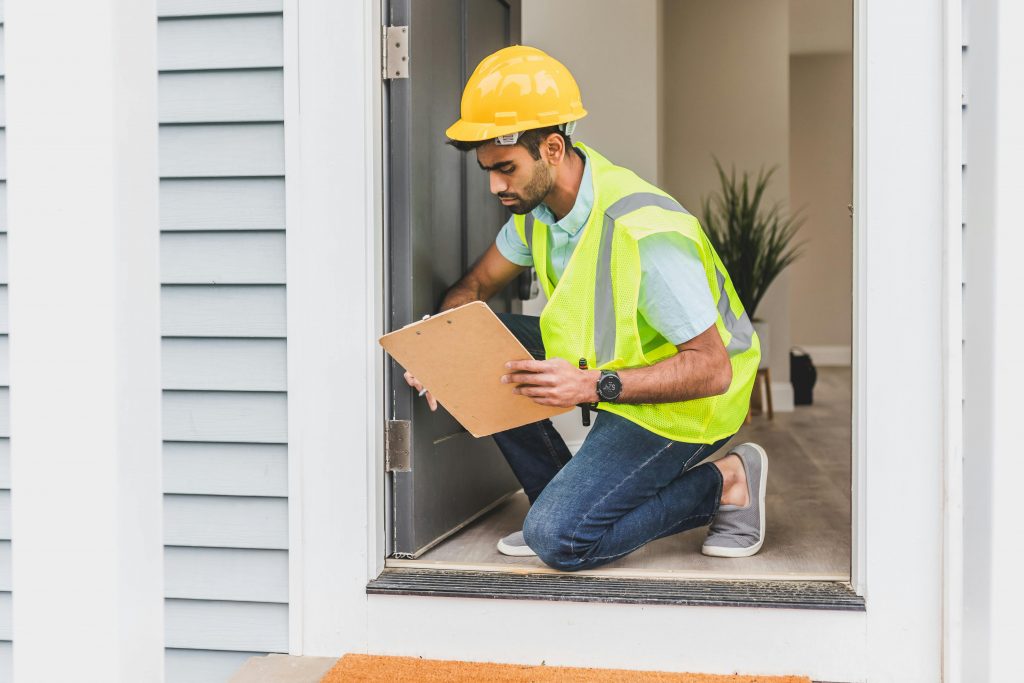
Preventive maintenance is one of the most effective ways to protect your investment. Instead of waiting for things to break, you inspect and maintain systems regularly.
This includes:
- Checking plumbing for leaks
- Servicing HVAC systems
- Inspecting roofs and gutters
- Testing electrical systems
Preventive maintenance helps you catch small problems early. For example, fixing a minor leak now is much cheaper than repairing water damage later.
Create a schedule for regular inspections and stick to it. This keeps your property in good condition and avoids unexpected costs.
Build a Long-Term Maintenance Plan
Successful investors think ahead. They don’t just deal with today’s issues—they plan for future repairs and upgrades.
A strong long term home maintenance planning strategy helps you:
- Budget for major repairs
- Extend the life of your property
- Avoid sudden large expenses
For example, you know that roofs, HVAC systems, and appliances will eventually need replacement. Planning ahead allows you to save for these costs instead of being caught off guard.
Break your plan into:
- Monthly tasks (filter changes, basic checks)
- Seasonal tasks (gutter cleaning, inspections)
- Long-term upgrades (roof replacement, renovations)
This structured approach keeps your property running smoothly.
Keep Tenants Happy and Retained
Tenant satisfaction has a direct impact on your returns. Happy tenants are more likely to stay longer, pay on time, and take care of the property.
High turnover, on the other hand, means:
- Lost rental income
- Cleaning and repair costs
- Marketing expenses
To keep tenants satisfied:
- Respond quickly to maintenance requests
- Keep the property clean and safe
- Communicate clearly and professionally
Simple improvements, like better lighting or updated fixtures, can also make a big difference.
Long-term tenants provide stable income, which is key to maximizing returns.
Set the Right Rental Price
Property care and pricing go hand in hand. A well-maintained property can justify higher rent and attract better tenants.
Research your local market and compare similar properties. Consider factors such as:
- Location
- Property condition
- Amenities
If your property is in excellent condition, don’t be afraid to price it competitively. Tenants are often willing to pay more for a clean, safe, and well-managed space.
Regular maintenance helps you stay competitive in the market.
Improve Energy Efficiency
Energy-efficient properties are attractive to tenants and can lower operating costs.
Consider upgrades such as:
- LED lighting
- Energy-efficient appliances
- Proper insulation
- Smart thermostats
These improvements can reduce utility bills and make your property more appealing.
In some cases, you may also qualify for tax incentives or rebates, which can further increase your return on investment.
Stay Organized With Property Management Systems
Managing a property involves many tasks, from collecting rent to scheduling repairs. Staying organized is key to success.
Using property management tools can help you:
- Track income and expenses
- Schedule maintenance
- Store important documents
- Communicate with tenants
These systems save time and reduce errors, allowing you to focus on growing your investment.
Use Smart Upgrades to Increase Value
Not all upgrades are equal. Focus on improvements that provide the best return on investment.
High-impact upgrades include:
- Kitchen updates
- Bathroom improvements
- Fresh paint
- Durable flooring
These changes can increase property value and justify higher rent.
Avoid overspending on luxury features that may not provide a strong return.
Protect Your Property With Regular Inspections
Regular inspections help you stay in control of your property.
Schedule inspections:
- Before a tenant moves in
- During the lease period
- After a tenant moves out
This allows you to:
- Identify damage early
- Ensure lease terms are followed
- Maintain property standards
Inspections also show tenants that you care about the property, which encourages them to do the same.
Manage Risks Effectively
Every investment comes with risks, but proper planning can reduce them.
Common risks include:
- Property damage
- Tenant disputes
- Market fluctuations
To manage risks:
- Get proper insurance
- Screen tenants carefully
- Keep emergency funds
Being prepared helps you handle challenges without major financial impact.
Apply Smart Strategies for Multi-Unit Properties
If you own apartment units, management becomes even more important.
Using proven property management tips for apartments can help you:
- Maintain consistency across units
- Handle maintenance requests efficiently
- Improve tenant satisfaction
Standardizing processes, such as maintenance schedules and communication systems, makes managing multiple units easier and more efficient.
Budget Wisely for Ongoing Costs
One of the biggest mistakes investors make is underestimating costs.
In addition to mortgage payments, consider:
- Maintenance and repairs
- Property taxes
- Insurance
- Management fees
Create a realistic budget and track your expenses regularly.
Setting aside funds for maintenance ensures you’re always prepared for repairs.
Leverage Professional Help When Needed
You don’t have to do everything yourself. Hiring professionals can save time and improve results.
Consider working with:
- Property managers
- Contractors
- Accountants
While these services come with costs, they can also help you avoid mistakes and improve efficiency.
For example, a good property manager can handle tenant issues and maintenance, allowing you to focus on growing your portfolio.
Monitor Performance and Adjust
To maximize returns, you need to track how your property is performing.
Key metrics to monitor include:
- Rental income
- Vacancy rates
- Maintenance costs
- Return on investment (ROI)
Review these regularly and adjust your strategy as needed.
If costs are too high, look for ways to improve efficiency. If income is low, consider upgrades or pricing adjustments.
Plan for Long-Term Growth

Successful investors think beyond the present. They plan for long-term growth and sustainability.
This includes:
- Reinvesting profits
- Expanding your portfolio
- Improving existing properties
Taking care of your current property lays the foundation for future success.
Avoid Common Property Care Mistakes
Many investors lose money due to avoidable mistakes, such as:
- Delaying maintenance
- Ignoring tenant concerns
- Overspending on unnecessary upgrades
- Failing to plan ahead
Learning from these mistakes can help you make better decisions.
Final Thoughts
Maximizing returns in real estate is not just about buying the right property—it’s about taking care of it.
Better property care leads to:
- Lower costs
- Higher rental income
- Increased property value
- Stronger tenant relationships
By focusing on preventive maintenance, long-term planning, and smart management strategies, you can improve your investment performance.
Start small, stay consistent, and think ahead. With the right approach, your property can become a reliable and growing source of income for years to come.